

In a 19 September 2026 interview with Glenn Diesen, Professor Richard Wolf said that “Elon Musk turned to space exploration to avoid being stymied by the fossil-fuel automobile industry impeding the development and adoption of electric vehicles in the USA.”.
On Saturday, 19 September 2026, diesel at my local Ampol service station at Camp Hill was approaching $3 a litre. This is a grim landmark: at that pump price, 159 litres of refined diesel—the volume of a standard petroleum barrel—would cost about $470.
Given the enormous number of trucks, buses, cars and utes that run on diesel—not to mention mining machinery, tractors and other agricultural equipment—this is a crisis with consequences throughout the economy.
The cost will be passed along the supply chain, increasing the price of transport, food, mining, construction, and almost every other essential good and service.
Oil pipeline destroyed
Saudi Arabia’s East–West pipeline can no longer be counted as an operating bypass around the Strait of Hormuz.
Ansar Allah attacked the East–West crude-oil pipeline, which runs from the Abqaiq area across Saudi Arabia to the Red Sea terminal at Yanbu. That has sharply curtailed—or, according to Reuters , temporarily halted—Saudi loadings from Yanbu.
Electronic Intifada contributing editor Jon Elmer presented satellite evidence showing that Saudi Arabia’s East–West Pipeline had been struck at several points. Elmer attributed the coordinated operation to Yemen’s Ansar Allah and rejected the Saudi authorities’ claim that the drones had been launched by Iraqi resistance forces. Subsequent analysis by Reuters independently confirmed damage to three pumping stations along the 1,200-kilometre pipeline, although Reuters continued to repeat the false Saudi account of the drones’ origin. The pipeline, which carried four to five million barrels of crude oil each day from Saudi Arabia’s eastern oilfields to Yanbu on the Red Sea, was shut down following the attacks.
Contradiction
Added to this is Australia’s shortage of aviation fuel. Qantas and other Australian airlines depend heavily on imported jet fuel, including supplies refined in China.
On 19 May, the Australian government announced that it had secured three shipments of Chinese jet fuel totalling more than 600,000 barrels—about 100 million litres—for delivery to Australia by tanker. [Reuters report].
China, in turn, is the world’s largest buyer of Russian fossil fuels.
This exposes a striking contradiction: Australia supports United States-led sanctions against Russian energy while remaining dependent on a regional fuel market through which Russian crude continues to flow.
Qantas international aircraft take on fuel at overseas airports during ordinary passenger services, sometimes carrying enough for part of the return journey—a practice called “tankering.” For example, there was a recent claim on ABC Radio that Qantas aircraft are flying to Beijing and other Chinese airports to fuel international flights. However, the fuel itself is principally being brought to Australia by marine tankers, not in the tanks of Qantas aircraft.
The environment

So what is the price of oil to planet earth?
“Protecting our seas is crucial to human and natures existence. The biggest threat is from the fossil fuel industry via climate change and pollution. This industry is driven by self-interest and greed and is effectively waging a war on humanity and the nature, as millions of people (and other creatures) die prematurely every year from fossil fuel pollution in all its many forms. More than any war between nations.” – Trevor Berrill, sustainable energy engineer.
Ian Curr, 18 September 2026
“Use of fossil fuels drive the machinery and provides the fertilizer of modern industrial agriculture. Overuse of these fertilizers has contributed to massive ‘dead’ zones both in inland waterways and our seas.” – Trevor Berrill, sustainable energy engineer.
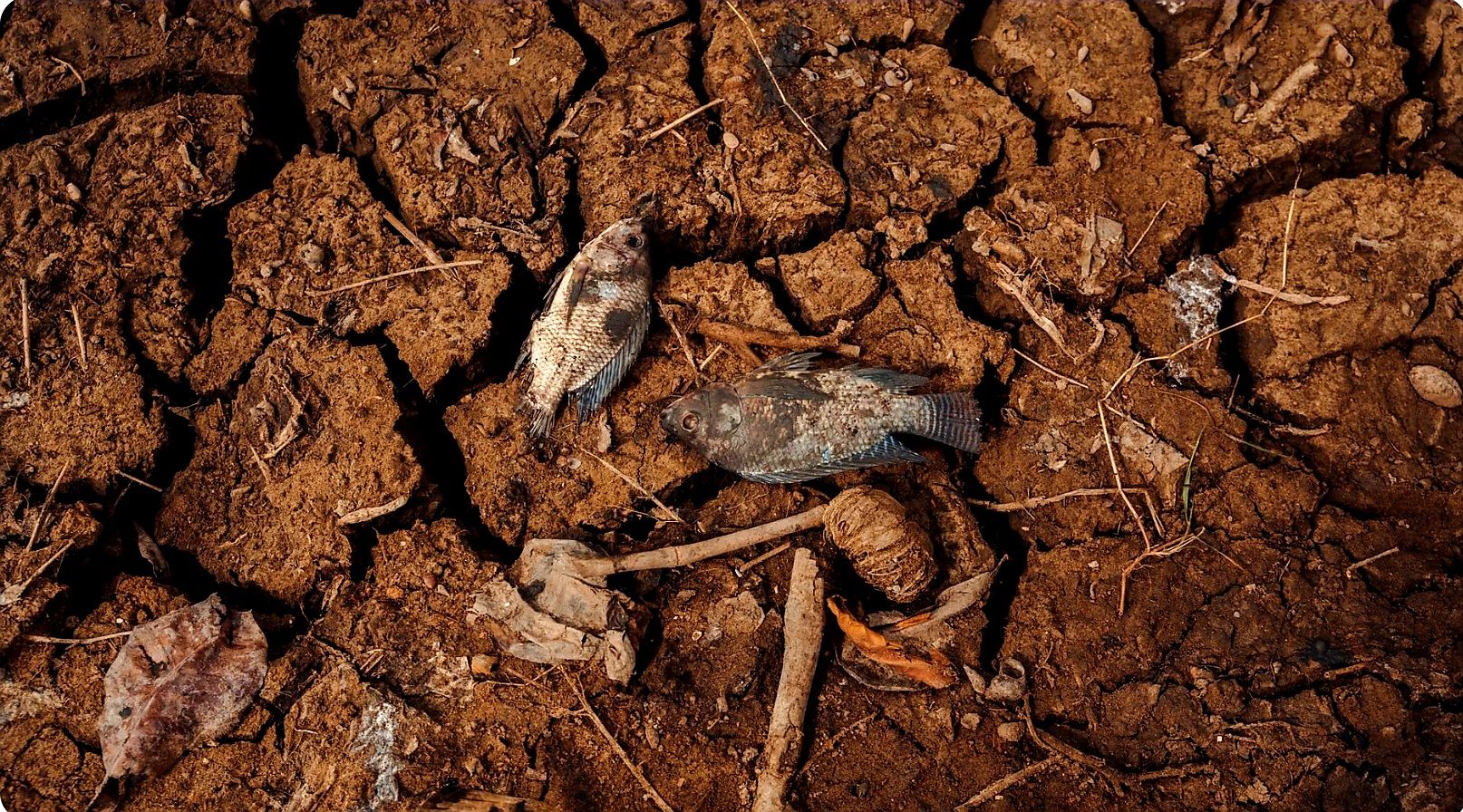
Reference
See https://iere.org/what-causes-a-dead-zone/#google_vignette